( Entry 03 )
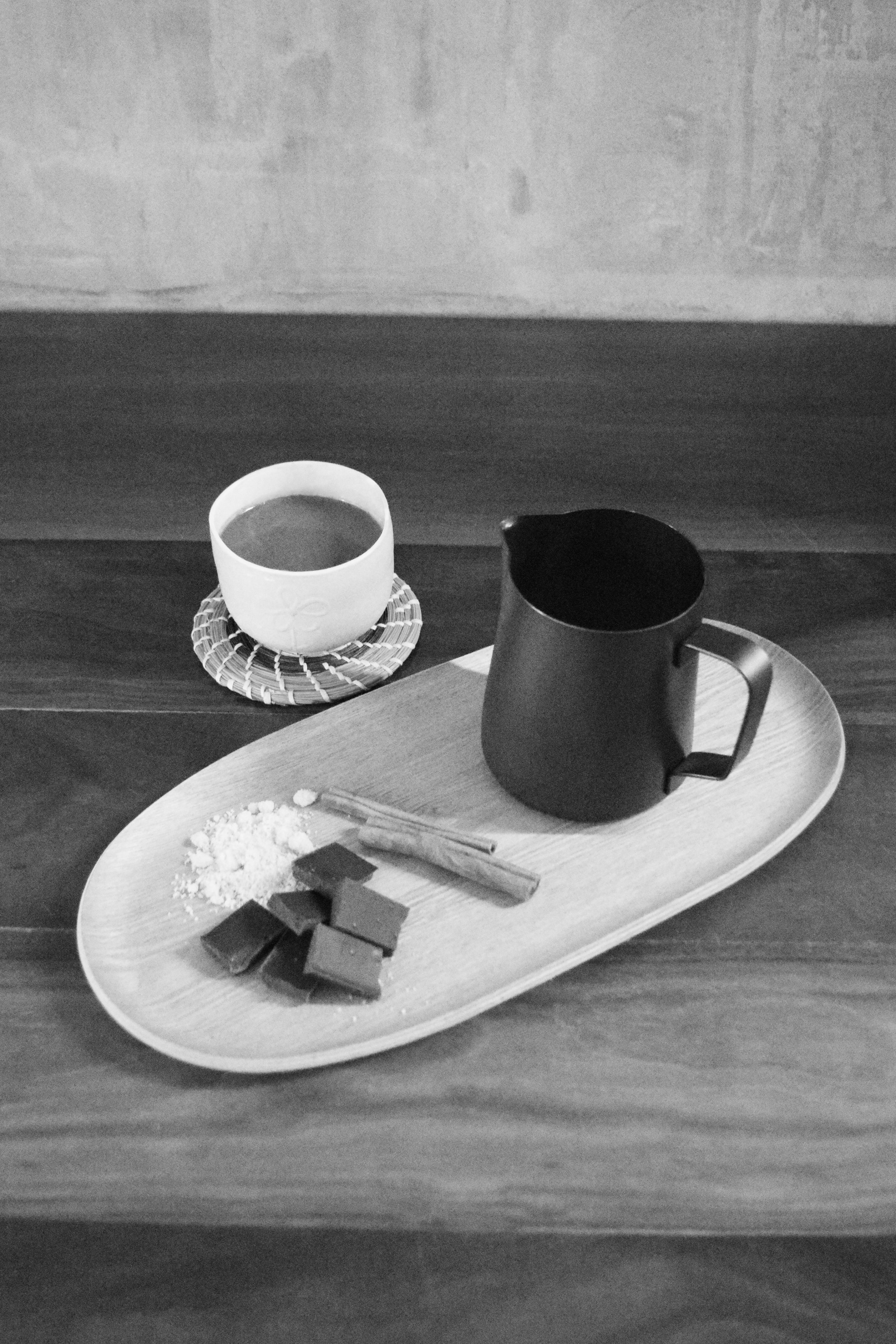
Cold Cacao Drink
Saturdays at the mercado. Introducing a new weekly series: Hija’s Market Day a space to celebrate the flavours of Colombia.
Coffee might be Colombia's most famous export, but cacao is the true heart of our beverage repertoire. Its roots run deep, dating back to pre-colonial times when Amazonian indigenous peoples first discovered the fruit's potential.
Centuries later, the Spanish introduced the hot chocolate ritual that many of us grew up with. Today, we're giving this ancestral tradition a cool, modern twist — our summer version features exceptional 100% cacao from Glad, a local chocolate maker right here in Porto.
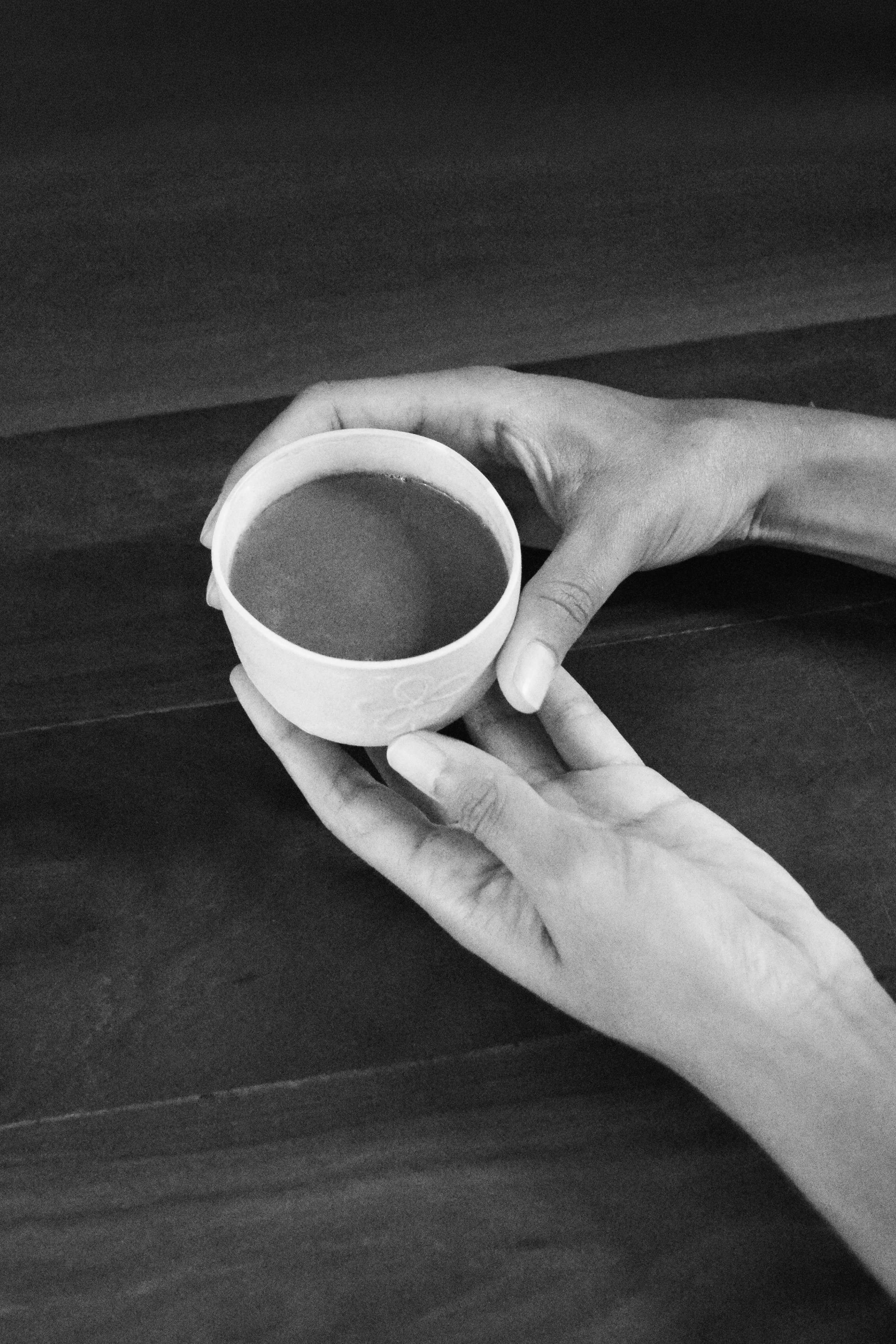
Recipe
Ingredients (makes 2 cups)
150 g dark chocolate
2 cups of your preferred milk
1–2 tbsp of honey or sweetener of choice
Method
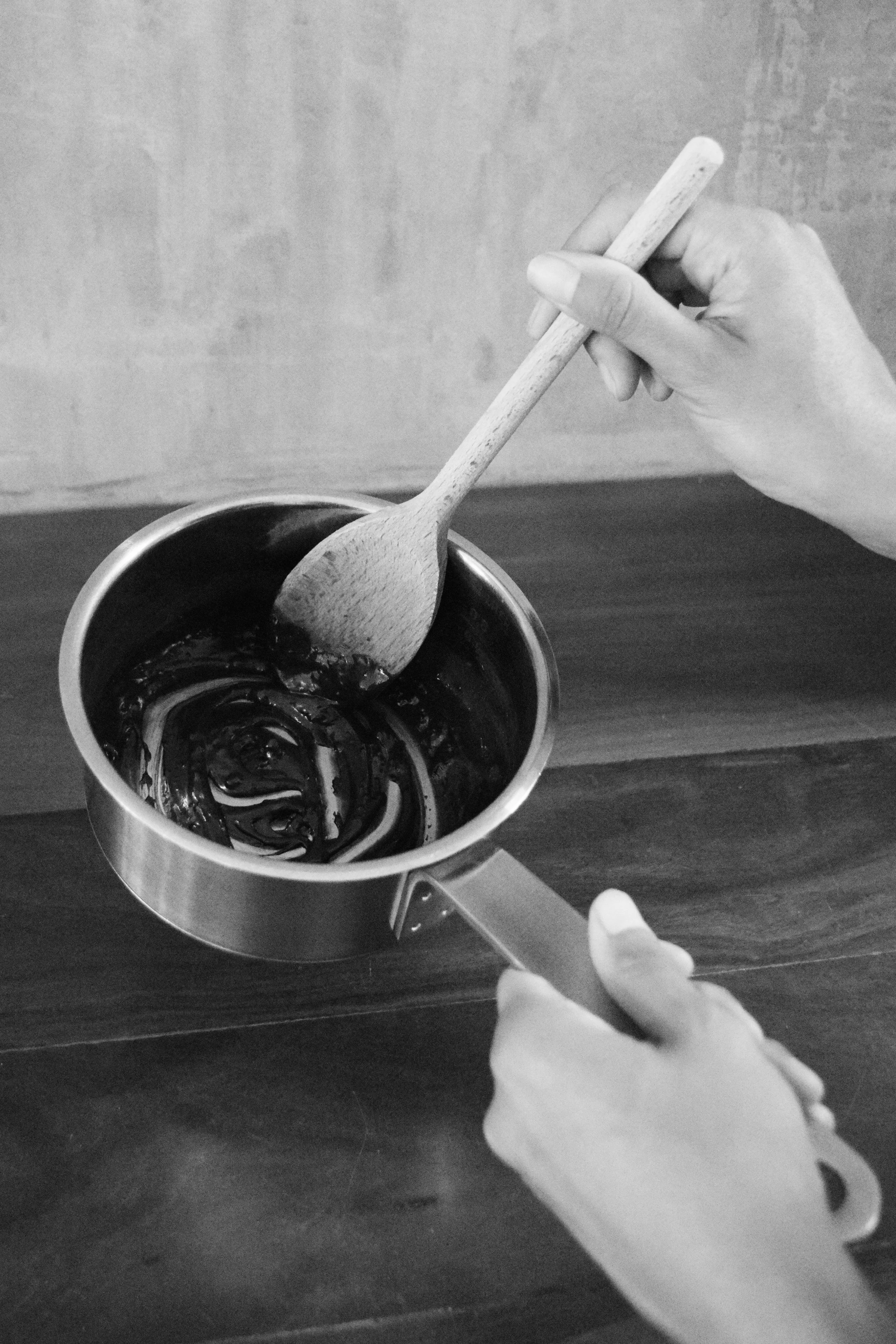
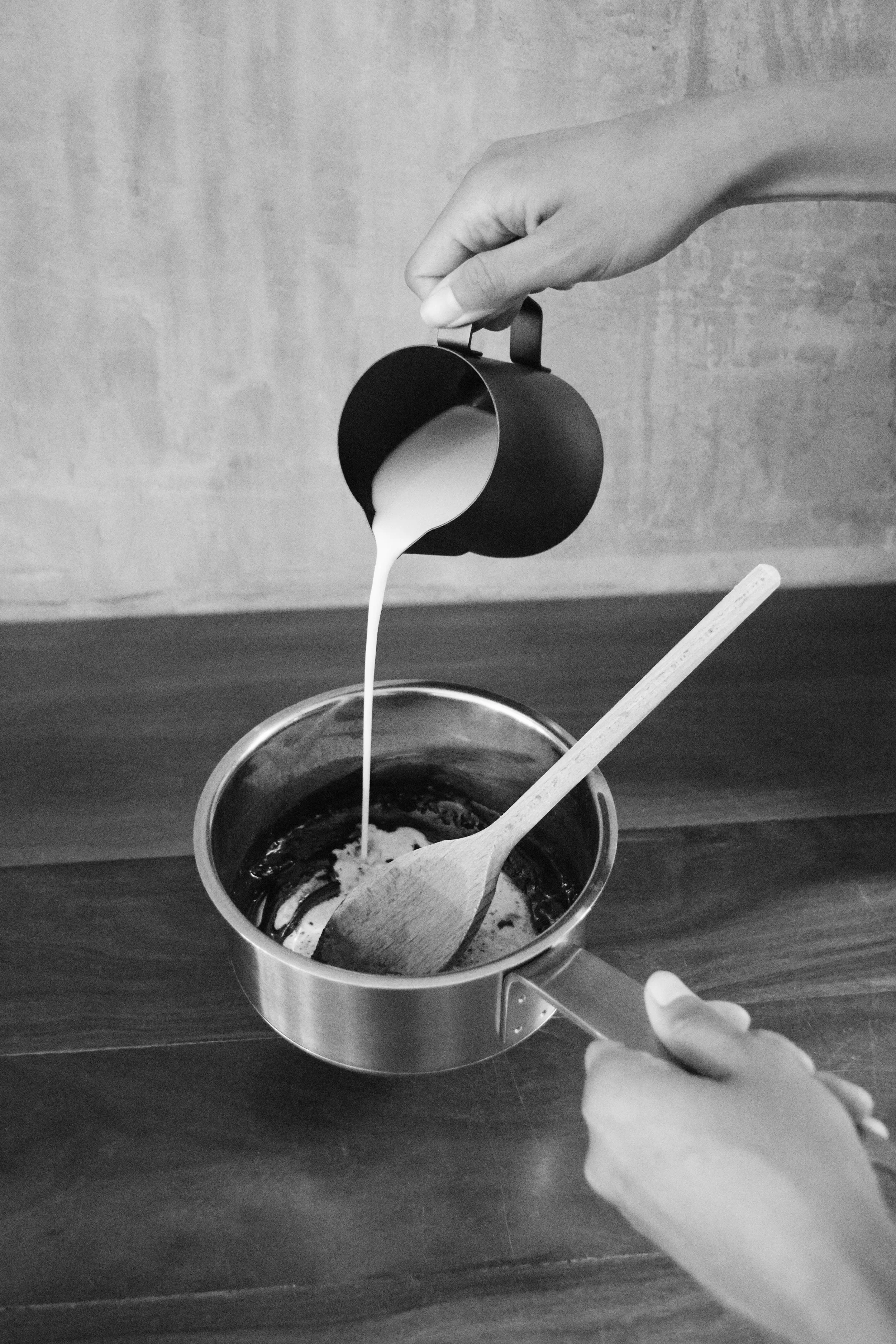
Melt the chocolate — In a small saucepan over low heat, combine ½ cup of milk with the chopped chocolate. Whisk continuously until completely smooth and melted.
Add flavor — Remove from heat and stir in your sweetener of choice, and a pinch of cinnamon if desired.
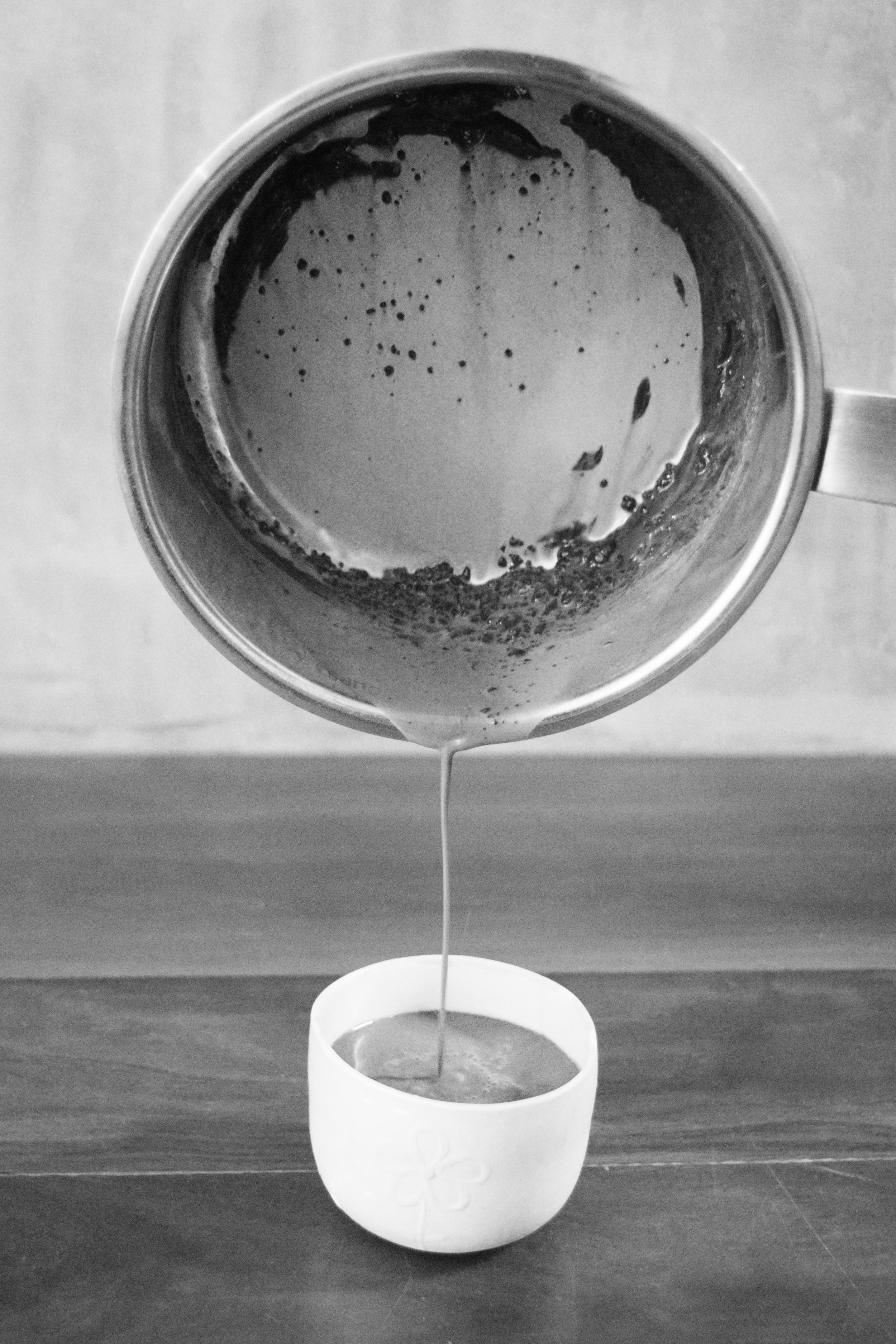
Chill the base — Pour the warm chocolate mixture into a cup and let it cool to room temperature, then refrigerate for 10–15 minutes until fully chilled.
Blend — Add the chilled chocolate mixture, the remaining 1½ cups of milk, and 1 cup of ice to a blender. Blend on high for 30–45 seconds until frothy and smooth.
Serve — Fill two cups or glasses with fresh ice, pour the cold cacao over them, and serve immediately.

Before the Spanish arrived in the Americas, native Indigenous cultures considered cacao a sacred, energizing plant, consuming it as a bitter, spiced water-based infusion during ceremonies.
During the colonial era, European settlers adapted the drink by adding raw cane sugar (panela) and warming spices like cinnamon and cloves. In the high-altitude, chilly Andes—particularly around Bogotá (historically Santa Fe)—the drink evolved into Chocolate Santafereño. Because mornings in the mountains were cold, families gathered around the stove to drink hot chocolate alongside fresh local cheeses and warm breads, cementing it as an everyday staple across social classes.
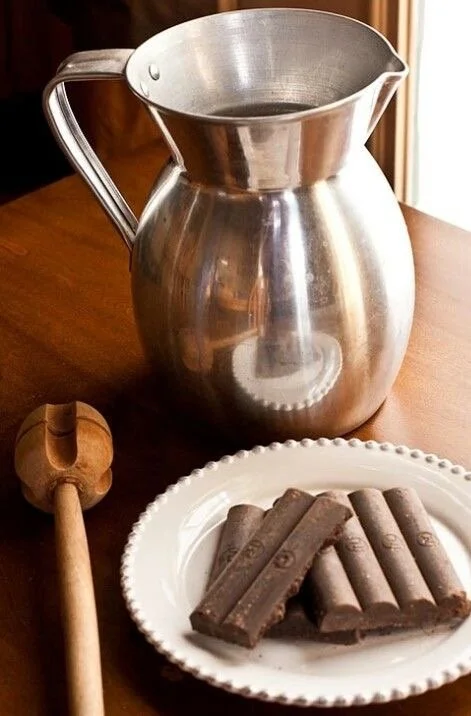
Traditional preparation requires two specific kitchen staples:
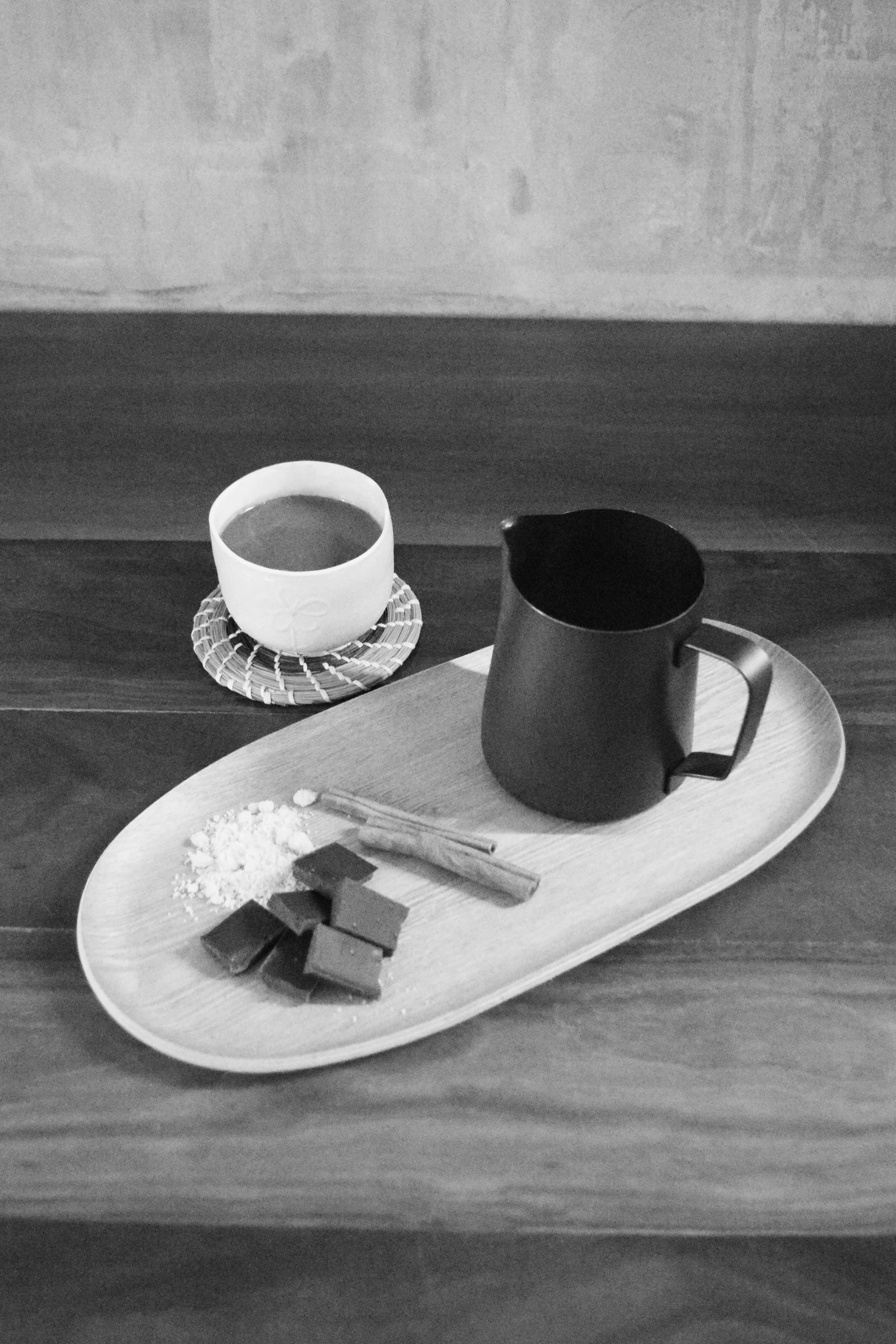
La Olleta: A tall, slender aluminum or stainless steel pitcher designed to heat milk quickly without boiling over.
El Molinillo: A carved wooden whisk held vertically between the palms and rubbed back and forth rapidly to emulsify the fat and create a thick, velvety froth.
Colombian hot chocolate is made with hard tablets of compressed cacao liqueur, sugar, and cinnamon (pastillas de chocolate) rather than powder, giving it a rich, glossy body.
"Todas las mañanas al salir el sol, mamá nos prepara Chocolate Sol..."
This was the most famous jingle of Colombian chocolate brand Sol. Meaning every morning when the sun comes out, mom makes us a Sol chocolate. The song tapped directly into the matriarchal heart of Colombian domestic life. Preparing hot chocolate was rarely a solitary, grab-and-go act—it was an act of service and care. Frothing the chocolate with a molinillo takes time, presence, and intention; the song validated that daily labor of love.
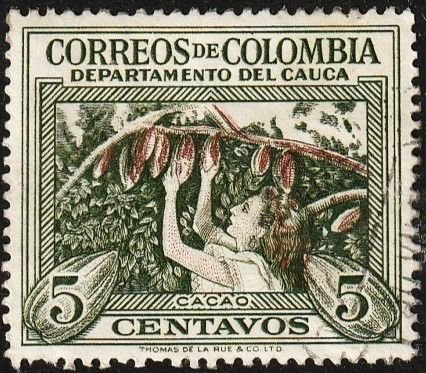
A vintage 5-centavo Correos de Colombia postage stamp dedicated to the department of Cauca. Printed by Thomas De La Rue, the delicate green-and-sepia engraving shows a woman harvesting ripe cacao pods directly from the tree, framed by detailed cacao fruit at the corners.
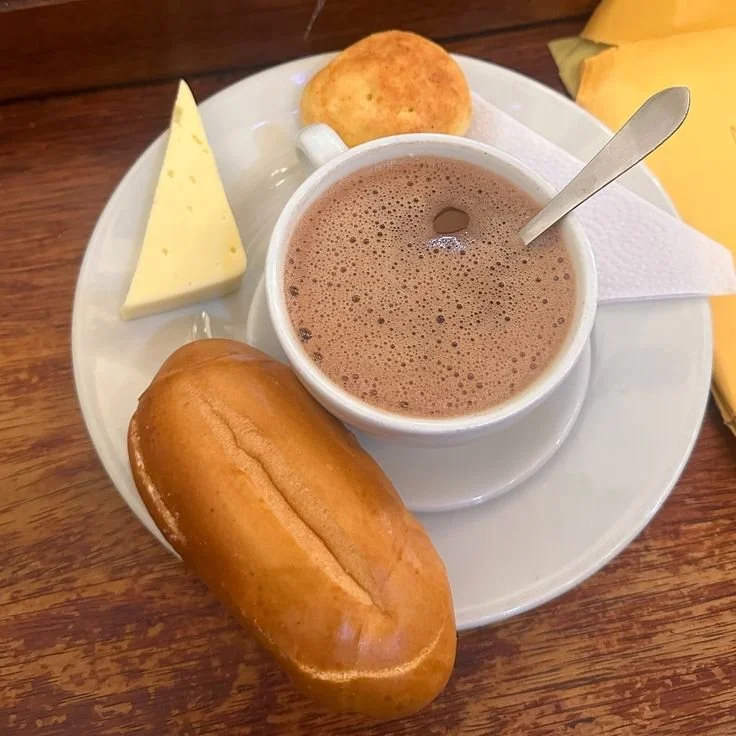
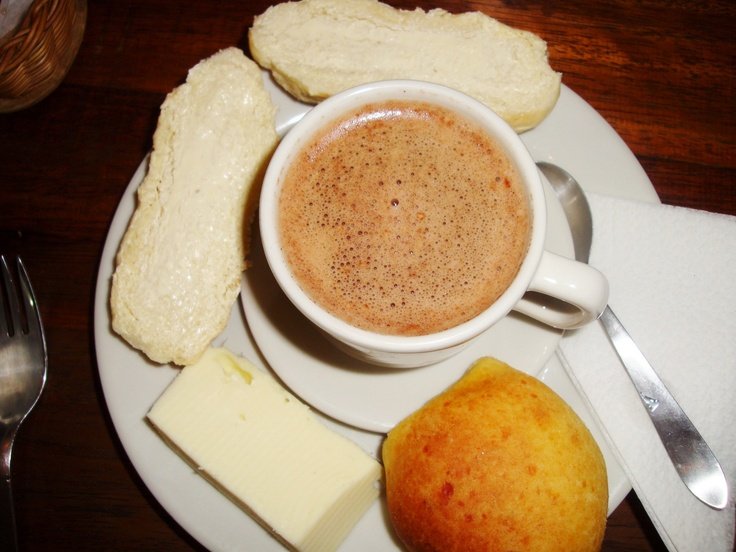
Hot chocolate is the centrepiece of las onces, the traditional late-afternoon snack observed across the Andean region, typically paired with almojábanas, pan de bono, or buttered toast.
Cubes of mild, semi-salty fresh cheese (queso campesino, doble crema, or mozzarella) are dropped directly into the bottom of the steaming mug. As you drink, the cheese melts into a soft, gooey stringiness, eaten with a spoon for a sweet-and-salty balance.
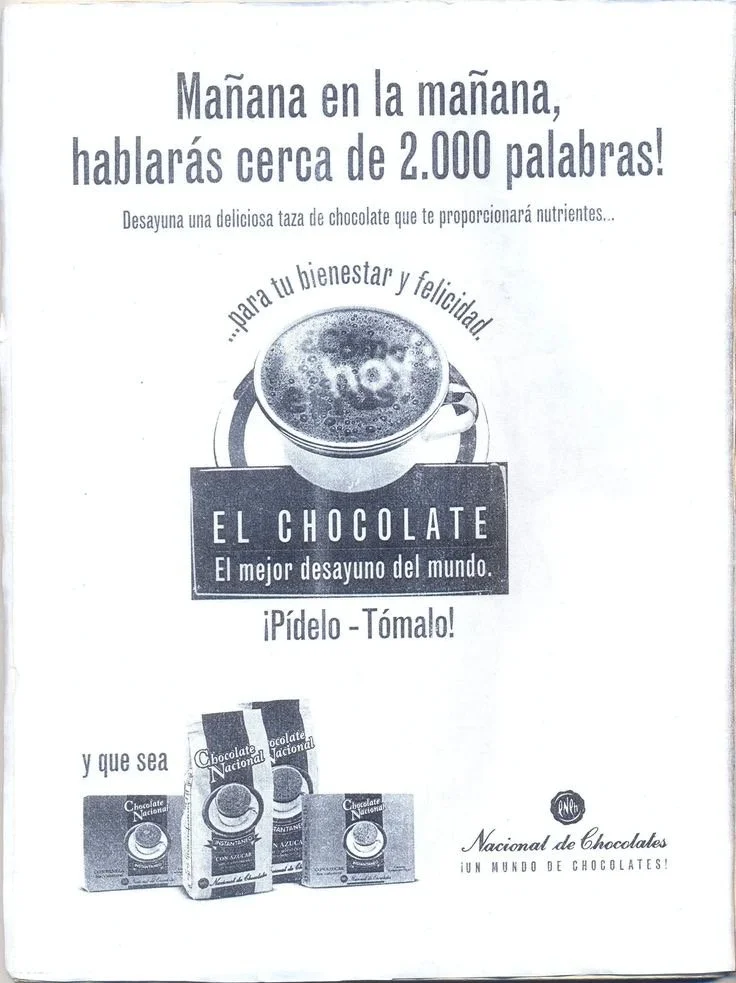
Before the 1920s, table chocolate was made primarily in artisanal batches or at home. Nacional de Chocolates industrialised the scoring and blending of cacao tablets (pastillas), making daily hot chocolate accessible, consistent, and shelf-stable across the entire country.
The headline in this vintage ad cheekily promises: "Tomorrow morning, you’ll speak nearly 2,000 words!"—framing hot chocolate not just as comfort, but as the essential fuel for mind, body, and lively morning conversation.